Account Verification Email Examples + Templates
See account verification email examples, subject lines, copy patterns, and templates for SaaS signup, login, and security flows.
Your verification code is {Unique Code}
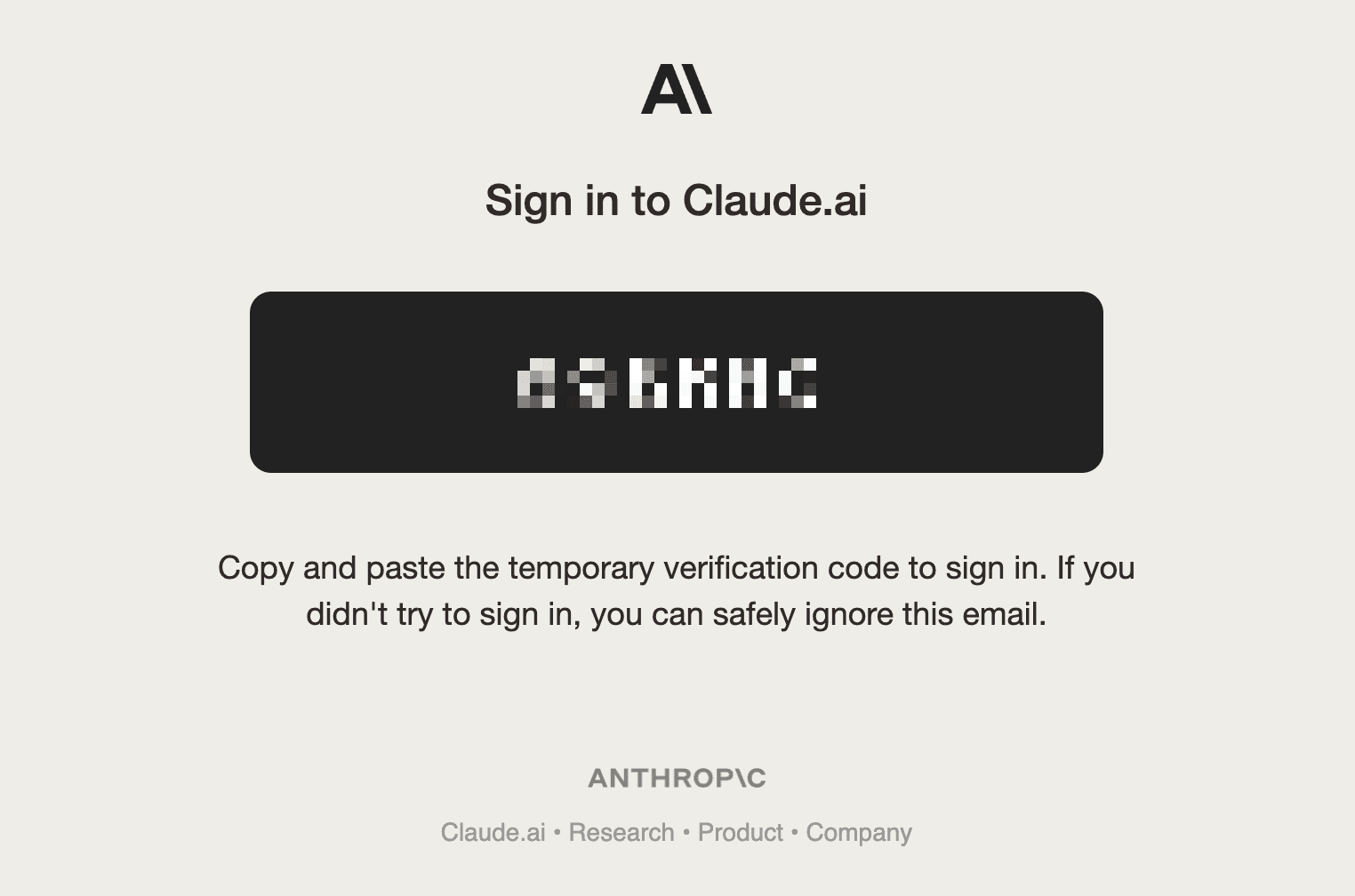
Why we like it
Confirm your email address
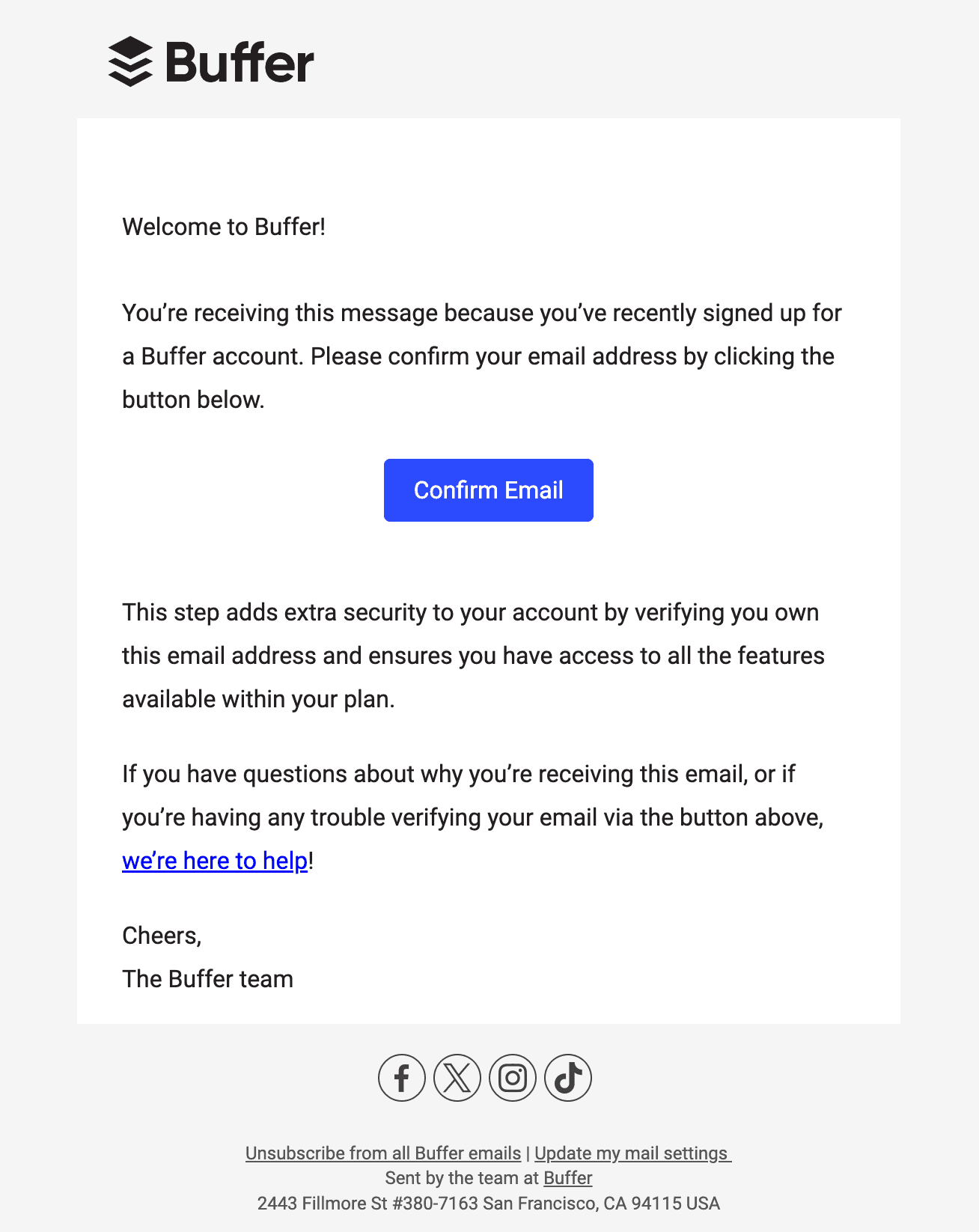
Why we like it
Inside.com sign in link
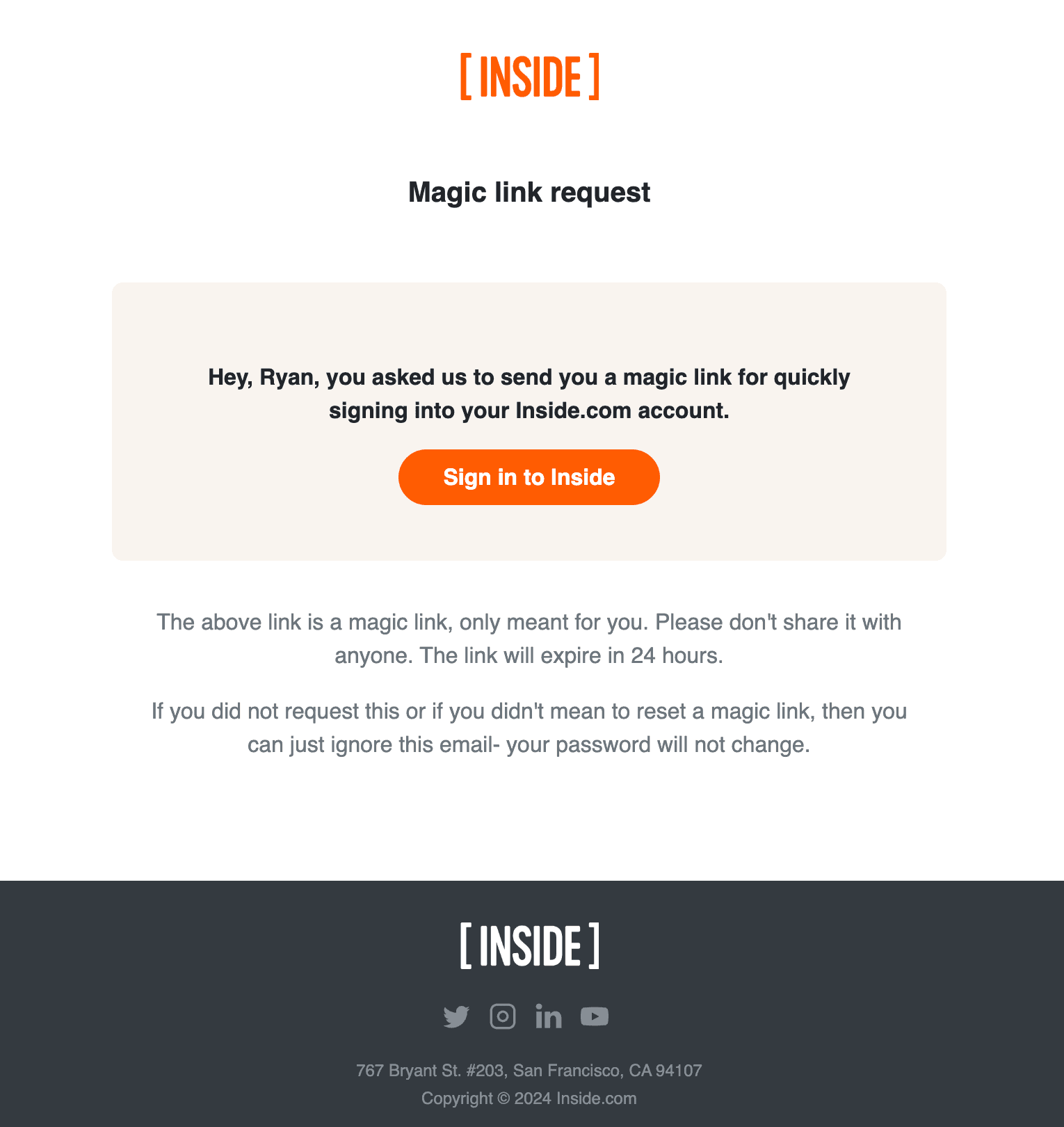
Why we like it
Verify your email address
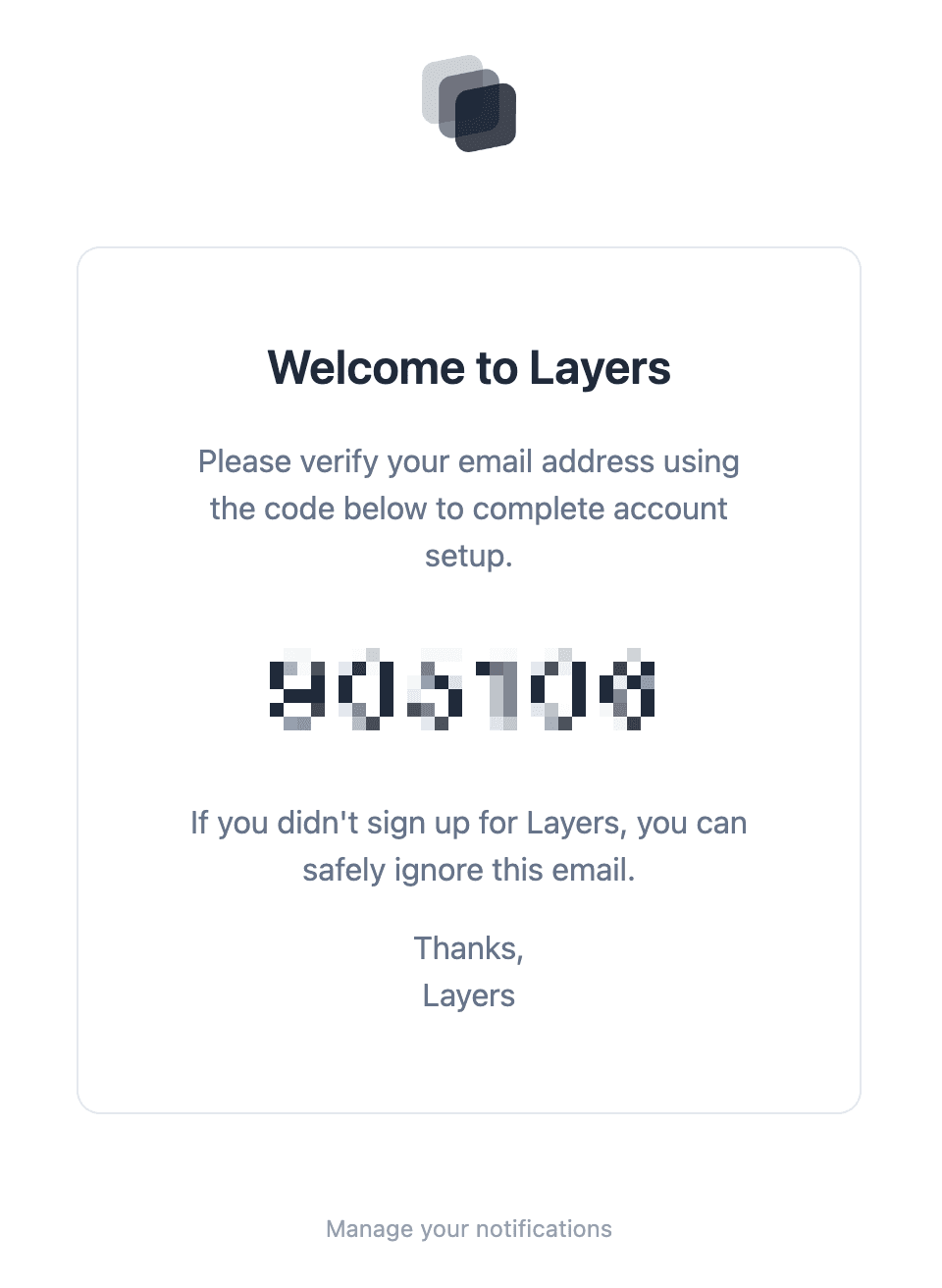
Why we like it
Verify your email on Naymee
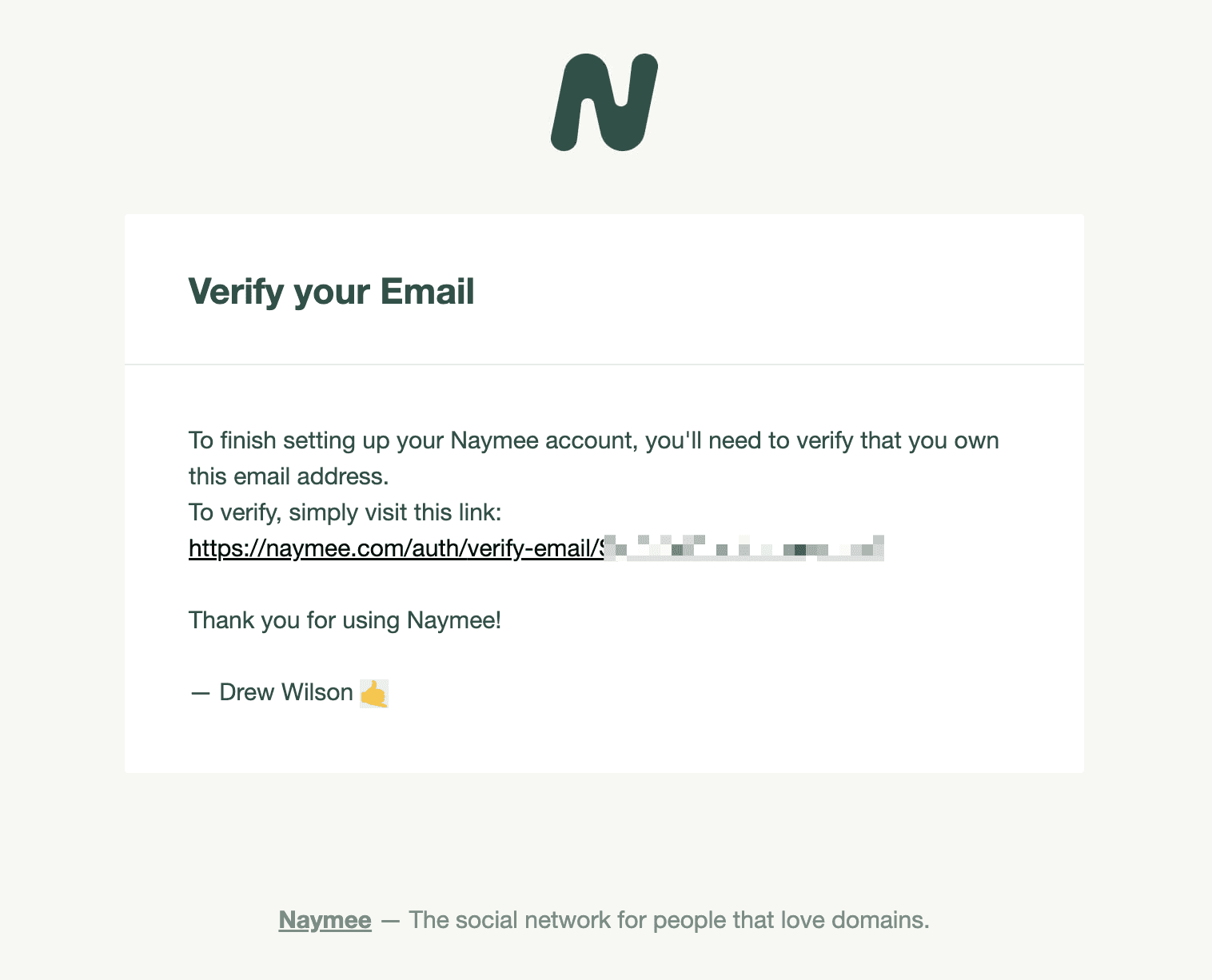
Why we like it
Verify your email
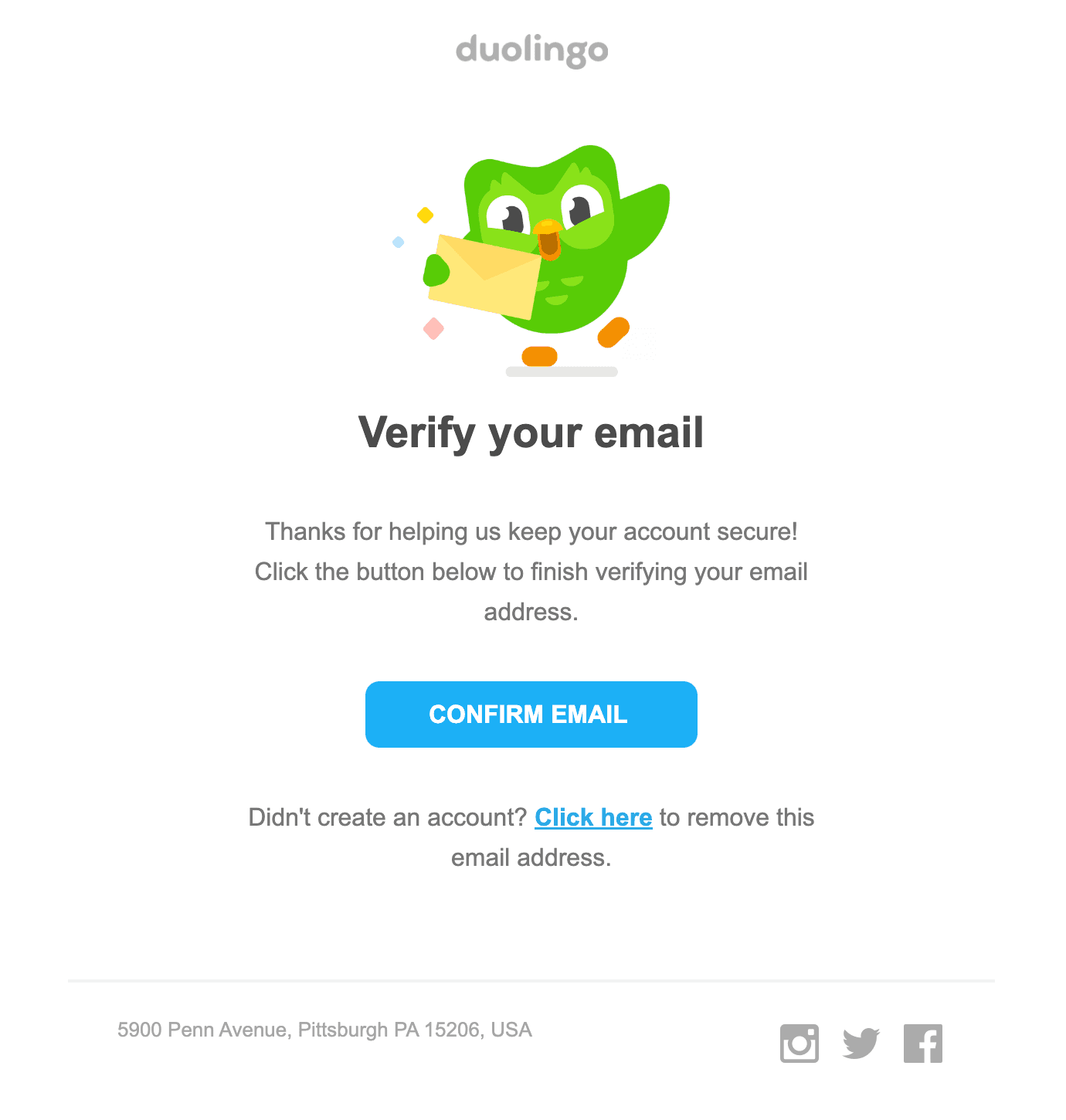
Why we like it
Welcome to Lottielab
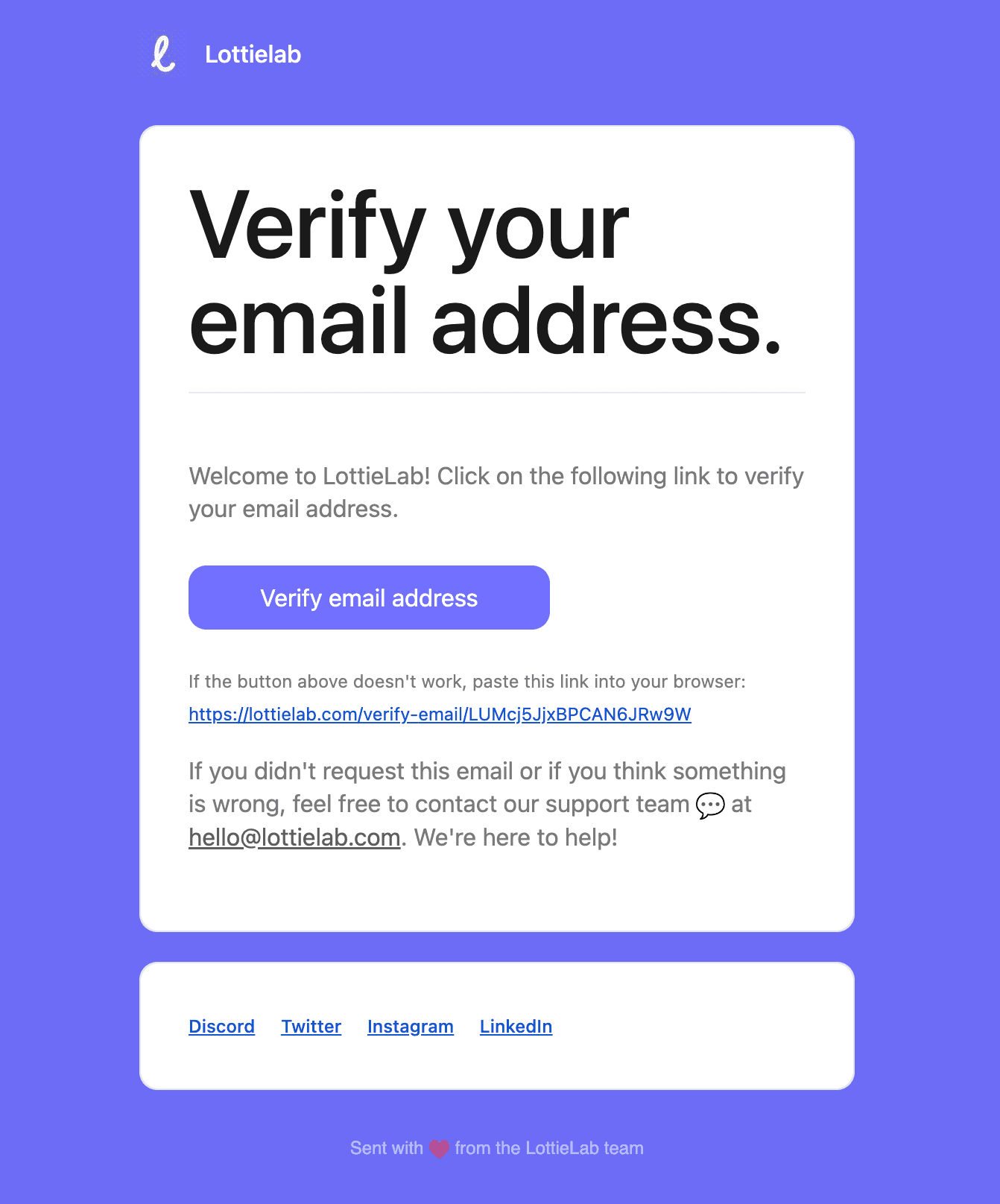
Why we like it
OpenAI - Verify your email
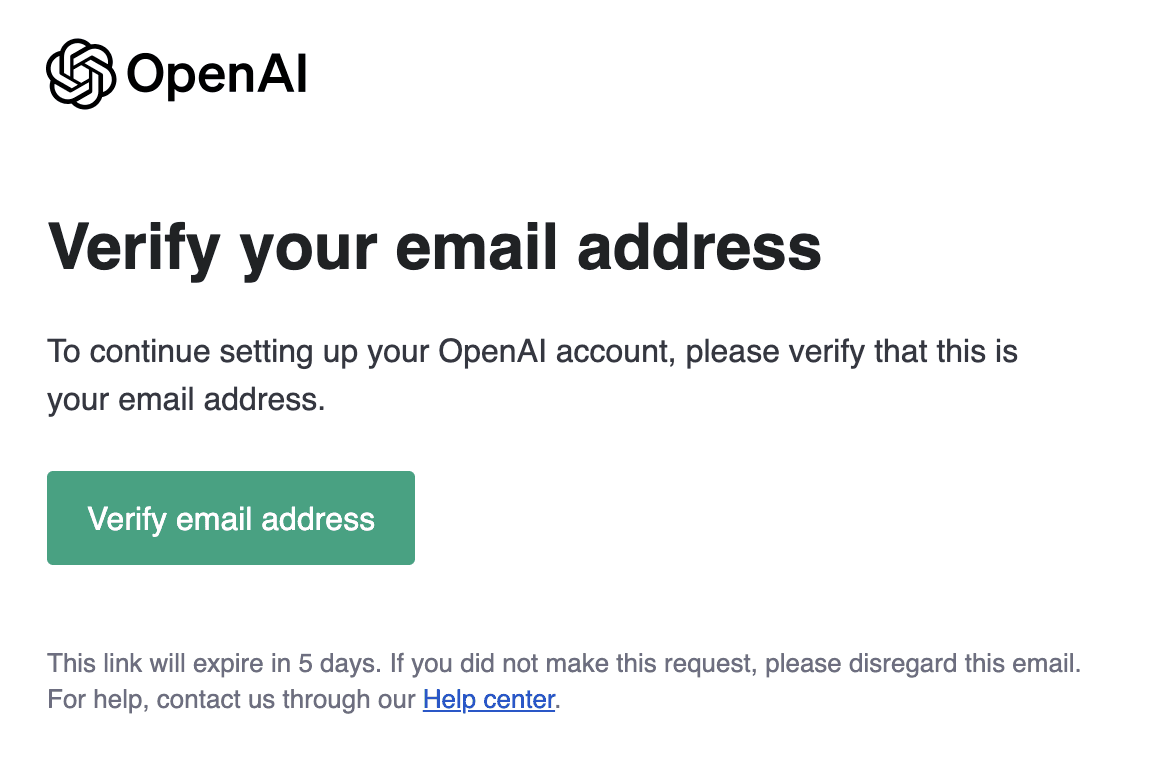
Why we like it
Verify your email - June
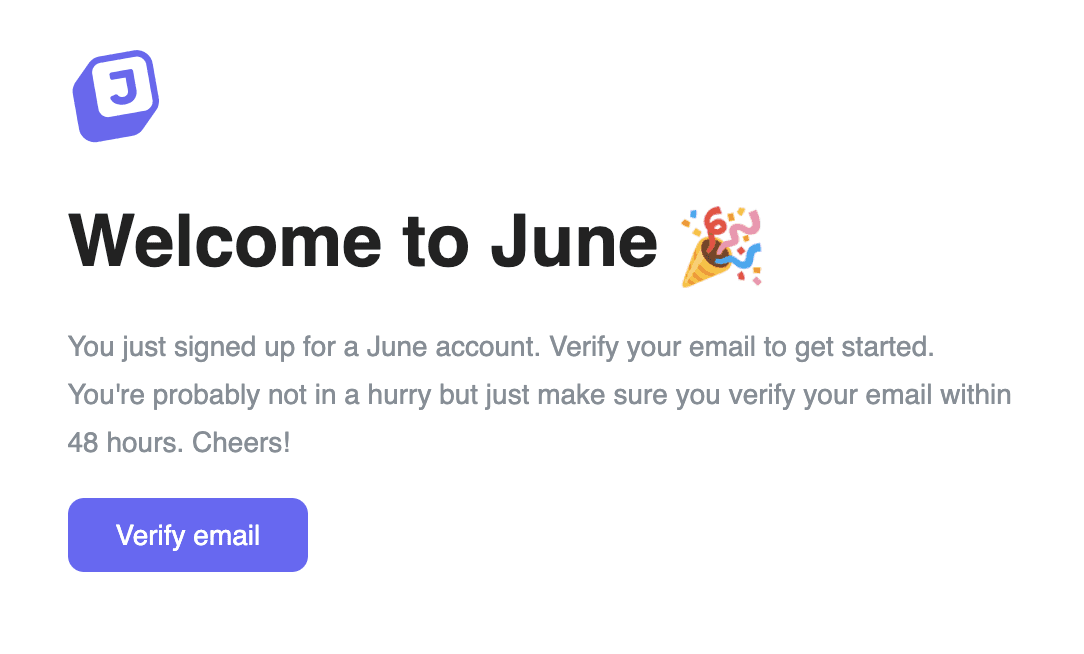
Why we like it
An account verification email is a transactional message sent after someone creates an account, changes an email address, or triggers a security-sensitive action. Its job is simple: prove the recipient controls the email address before the product lets them continue. The best verification emails are short, immediate, clearly tied to the action the user just took, and free of unrelated marketing.
What a good verification email does
Verification email is not the place to sell every feature. It should remove doubt and get the user through one required step.
Element | What good looks like | Common mistake |
|---|---|---|
Subject line | Clear action: "Verify your email" | Clever or vague subject copy |
Timing | Sent immediately after signup or change | Delayed batch delivery |
CTA | One button to verify | Multiple product CTAs |
Context | Mentions the product and action | No explanation of why it was sent |
Security | Expiration window and ignore-if-not-you note | Permanent links with no safety language |
Accessibility | Button plus fallback URL | Button-only verification |
Account verification examples to model
Five reusable patterns for the most common SaaS verification flows.
1. Signup email verification
Use this immediately after account creation. The reader expects it, so keep the copy short and make the button unmistakable.
Why it works: The email confirms the exact action, gives one CTA, and avoids anything that could distract from activation.
Copy pattern:
Subject: Verify your email for [Product]
Hi [First name],
Confirm this email address to finish setting up your [Product] account.
[Verify email]
This link expires in [time window]. If you did not create an account, you can ignore this email.
2. Magic link login
Magic links are verification emails with higher urgency. Users are waiting to sign in, so keep the copy to the link and the safety note.
Why it works: It separates the login action from marketing content and gives the user a clear fallback if they did not request it.
Copy pattern:
Subject: Your [Product] login link
Click below to sign in to [Product].
[Sign in]
This link expires in [time window]. If you did not request it, you can ignore this message.
3. Email address change confirmation
Use this when a signed-in user changes the email address on their account. Send it to the new address, and send a separate security notice to the old address if the change is sensitive.
Why it works: It protects account ownership without making the user wonder which account changed.
Copy pattern:
Subject: Confirm your new email address
We received a request to use this email address for your [Product] account.
[Confirm email address]
If this was not you, do not click the button. Your current login email will stay unchanged.
4. Team invite verification
When someone is invited to a workspace, the email must explain who invited them and what they are joining.
Why it works: Naming the inviter and the workspace tells the recipient who sent the invite and why the email arrived.
Copy pattern:
Subject: [Inviter] invited you to [Workspace]
[Inviter name] invited you to join [Workspace] in [Product].
Verify your email address to accept the invite.
[Accept invite]
5. Security-sensitive action verification
Use this before actions like exporting data, adding a billing admin, or changing security settings.
Why it works: It names the action clearly, gives a short expiration window, and tells the recipient what to do if the request is unfamiliar.
Copy pattern:
Subject: Confirm this [Product] security action
Someone requested to [action] for your [Product] account.
If this was you, confirm the action below.
[Confirm action]
If you did not request this, change your password and contact support.
Subject lines for verification emails
Keep verification subject lines plain. The user is not browsing. They are trying to finish a task.
Verify your email for [Product]
Confirm your [Product] account
Your [Product] verification link
Finish setting up your account
Confirm your new email address
Your [Product] login link
[Inviter] invited you to [Workspace]
Confirm this security action
Verify this email address
Action required: confirm your account
Verification email best practices
Send immediately. A verification email that lands late feels broken. Trigger it from the signup, login, invite, or profile-change event rather than a batch job.
Use one CTA. The verification button is the product. Put product education and onboarding in the next email after the user has verified.
Keep marketing out of required account mail. Verification emails are transactional. Do not add promotional modules, open-ended newsletters, or unrelated upgrade offers.
Include a fallback URL. Some email clients block buttons or images. A plain fallback link helps users finish verification without support.
Set an expiration window. Expiring links reduce security risk and make old emails less dangerous if an inbox is compromised.
Handle failed links gracefully. Expired or used links should route to a page that lets the user request a fresh email.
Avoid unnecessary tracking. Open pixels, rewritten links, and shorteners add risk to the exact emails users need most. For critical account email, only track what you need operationally.
Templates you can copy into Loops
Basic signup verification
Subject: Verify your email for [Product]
Hi [First name],
Thanks for creating a [Product] account. Confirm this email address to finish setup.
[Verify email]
This link expires in [time window]. If you did not create an account, you can ignore this email.
Magic link login
Subject: Your [Product] login link
Use this link to sign in to [Product].
[Sign in]
This link expires in [time window]. If you did not request it, you can ignore this email.
New email address confirmation
Subject: Confirm your new email address
We received a request to use this email address for your [Product] account.
[Confirm email address]
If this was not you, do not click the button. Your account email will not change unless this address is confirmed.
Build these in Loops as transactional emails, trigger them from your signup/login/account-change events, and keep the user record unified with your lifecycle and marketing messages. For implementation details, see the email API, transactional email docs, and email deliverability guide.
FAQ
What is an account verification email?
An account verification email is a transactional message sent to confirm that a user controls an email address before they finish signup, sign in with a magic link, accept an invite, or complete a sensitive account action.
What should an account verification email include?
It should include a clear subject line, the product or workspace name, one verification button, a fallback URL, an expiration window, and a short note telling the recipient what to do if they did not request it.
When should verification emails be sent?
Send them immediately after the triggering action. Verification emails are part of the product flow, so delays create signup friction and support tickets.
Are account verification emails transactional?
Yes. They are triggered by a user's action and are needed to complete an account or security flow. Keep promotional content out of them and use marketing emails for product education.
Should verification emails include unsubscribe links?
Account-critical verification emails usually do not need a marketing unsubscribe link, because they are required transactional mail. If you add promotional content, treat the email as commercial and follow unsubscribe rules.
How long should verification links last?
Use a short expiration window based on the risk of the action. Signup and login links often expire within minutes or hours. Sensitive security actions should expire faster.